
In the world of dentistry, precision and reliability are paramount for achieving outstanding patient care. Every dental procedure relies heavily on various components and tools. Among these, dental repair parts play a crucial role in maintaining and restoring the functionality of dental instruments and devices.dental repair parts dental-rotors.com This article aims to explore the essential aspects of dental repair parts, their significance in the dental field, and tips for selecting quality components.
Understanding Dental Repair Parts
Dental repair parts are components used to restore or maintain dental instruments, machines, and devices. These parts can range from simple screws and seals to elaborate rotors and attachments for dental handpieces. Regular maintenance and timely replacement of these parts are critical to ensure the longevity of dental tools, reduce downtime in practices, and uphold the quality of care provided to patients.
Types of Dental Repair Parts
There are various types of dental repair parts classified based on their function and application. Some of the most common types include:
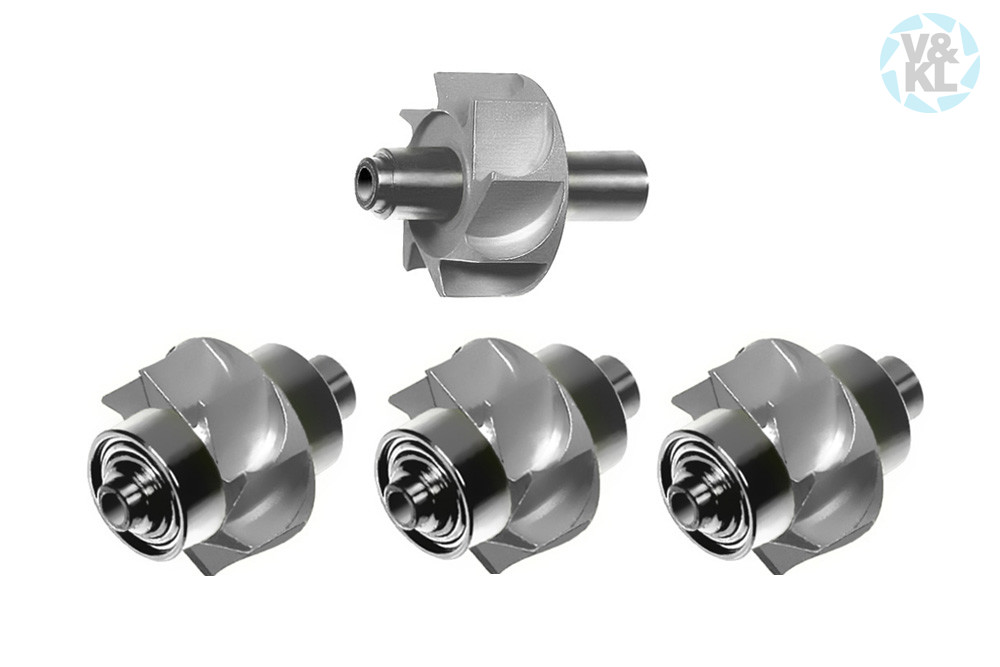
- Handpiece Rotors: These are essential for the operation of dental drills and are designed to rotate at high speeds. Regular inspection and replacement of rotors are necessary to prevent overheating and inefficiency.
- Bur Holders: Crucial for securing dental burs, bur holders need to be durable and capable of withstanding repeated use.
- Seals and O-Rings: These components are vital for maintaining suction in dental equipment and preventing leaks, which can compromise patient safety.
- Light Curing Units: These often require replacement bulbs or filters to continue delivering effective light for curing dental materials.
- Surgical Instruments: Various instruments like forceps, scalpels, and scissors may also require repair parts to ensure optimal performance and hygiene standards.
The Importance of Using Quality Repair Parts
Using high-quality dental repair parts is imperative for several reasons:
- Patient Safety: Faulty or substandard parts can lead to equipment failure, which can jeopardize patient safety during procedures.
- Equipment Longevity: Quality parts ensure that dental devices function efficiently and have a longer lifespan, saving costs in the long run.
- Consistency in Performance: Reliable repair parts help maintain consistent performance in dental equipment, ensuring that practitioners provide the best services to their patients.
- Compliance with Regulations: Dental practices must adhere to stringent regulations regarding the equipment they use. Using verified repair parts helps in meeting these standards.
Choosing the Right Dental Repair Parts
Selecting the right dental repair parts can be challenging due to the vast range of options available. Here are some guidelines to help make informed choices:
- Compatibility: Ensure that the repair parts are compatible with the existing dental equipment. Always refer to the manufacturer’s specifications.
- Quality Certification: Look for parts that have been certified by recognized dental standards to ensure they meet safety and quality benchmarks.
- Supplier Reputation: Choose suppliers with a good reputation in the dental industry. Reading customer reviews and seeking recommendations can provide insights into their reliability.
- Warranty and Support: Opt for repair parts that come with a warranty or guarantee. This indicates that the manufacturer stands behind their product and is confident in its quality.
Sources for Dental Repair Parts
Finding the right dental repair parts can be streamlined by working with reputable suppliers. Many suppliers specialize in various dental components, ensuring that dental practices receive top-notch products. Online platforms such as dental-rotors.com offer a wide array of repair parts tailored specifically for dental tools, allowing practitioners to easily source necessary components.
The Future of Dental Repair Parts
The dental industry is continually evolving, with advances in technology leading to changes in the materials and design of dental repair parts. Innovations could include the development of more durable and corrosion-resistant materials, enhancing the lifespan and reliability of components. Additionally, digital solutions for tracking the performance and maintenance schedules of dental instruments are on the rise, allowing for more proactive management of repair needs.
Conclusion
In conclusion, dental repair parts are an indispensable aspect of maintaining the efficiency and safety of dental practices. By understanding the types of parts available, their importance, and how to choose high-quality components, dental professionals can ensure that they provide the best possible care to their patients. As technology continues to advance, staying informed about the latest developments in dental repair parts will remain essential for successful practice management and patient satisfaction.