

The Unseen World of British Horse Racing: When the Tracks Are Silent
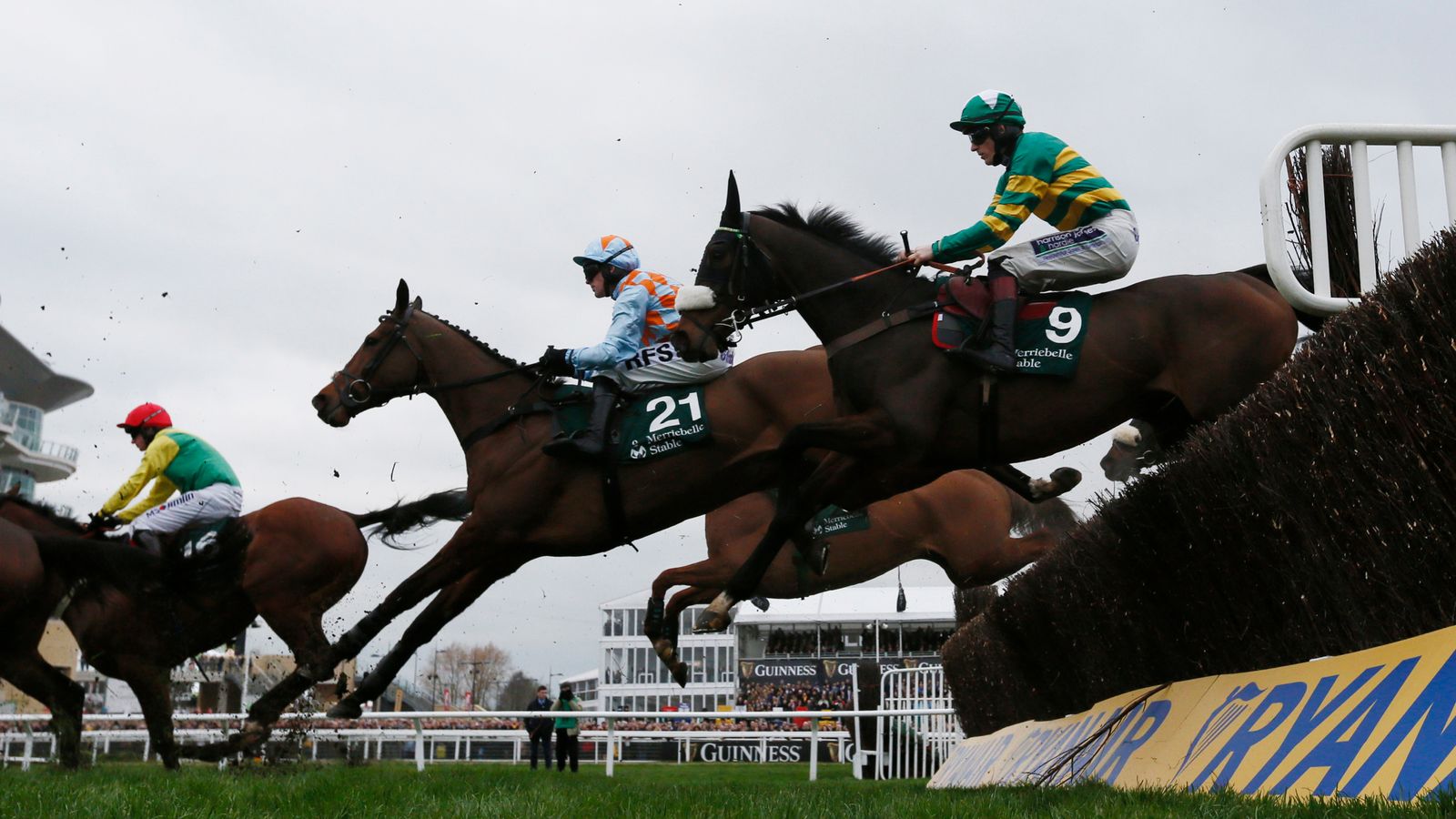
British horse racing holds a unique place in the cultural fabric of the United Kingdom. It goes beyond just being a sport; it is an event steeped in history, tradition, and deep community involvement. The excitement of a race day is palpable, with thousands congregating to witness the power and grace of the thoroughbreds as they thunder down the track. But what happens when British horse racing is not on? What does the silence of the tracks reveal about this illustrious pastime? In this article, we delve into the various aspects of horse racing that come to light when the horses are not running. For more information about community engagement with equestrian activities, visit British horse racing not on GamStop merseysidepolicemounted.uk.
The Heritage of British Horse Racing
Horse racing in Britain dates back to the Roman era, making it one of the oldest sporting events in the country. The established tracks, such as Epsom Downs and Newmarket, are not just venues; they are monuments to a long-standing tradition that has shaped British society. The Royal Ascot, for instance, is not only an iconic racing event but also a significant social occasion, representing the grandeur of British heritage.
Community Spirit in Horse Racing
Even when racing is not actively taking place, the community surrounding it remains vibrant. Local stables, training yards, and racing clubs continue to operate, often engaging with local youth to instill a passion for horses and equestrian sports. These establishments play a critical role in fostering talent and providing a gateway for the next generation of jockeys and trainers.
The Impact of Racing Cessation
When racing events are not held, the economic ramifications are felt across multiple layers. From local businesses that rely on the influx of visitors to the larger mechanisms of betting companies and sponsorship deals, the pause in racing can significantly impact livelihoods. However, these quieter times afford a unique opportunity for reflection within the industry, encouraging stakeholders to reassess and innovate for the future.
The Health and Care of Racehorses
With the absence of racing, the focus can shift to the health and training of the horses. A spotlight is cast on their wellbeing, with trainers and caretakers advocating for proper nutrition, exercise, and mental stimulation. During these quieter periods, initiatives such as rehabilitation programs for retired racehorses gain attention, helping to ensure these magnificent animals receive the care they deserve.
Legislative Aspects and The Future of Racing
The racing industry is subject to various regulations that can change in response to the landscape of the sport. Legislators often use periods without racing to reassess safety standards, animal welfare laws, and betting regulations. The outcome of these reviews can have a lasting impact on the future of horse racing in the UK.
The Role of Technology in Horse Racing
As the world adopts technological advancements, horse racing is also embracing innovation. Technologies, such as AI analytics and virtual reality experiences, can enhance the way fans engage with the sport, even during off-peak times. Digital platforms continue to evolve, offering fans a chance to participate in virtual bets and view races from around the world, thus keeping the spirit of racing alive even when physical events aren’t happening.
Support for Animal Welfare Initiatives
During times without racing, a significant focus can be placed on animal welfare initiatives. Organizations that advocate for the rights and humane treatment of racehorses often ramp up their efforts, using this downtime to raise awareness and funds. Campaigns aimed at educating the public about proper care and considerations around retiring racehorses become increasingly crucial when the tracks are silent.
Continued Engagement with the Fan Base
Engaging with fans outside of race days is vital for the continued popularity of horse racing in the UK. Online platforms, social media channels, and fan clubs remain active, sharing stories, interviews with jockeys, and behind-the-scenes glimpses into the lives of trainers and horses. These interactions help maintain enthusiasm and community spirit, keeping the racing world alive even when the horses aren’t running.
Conclusion
British horse racing is more than just the races held on the track; it’s a vibrant ecosystem of community, history, and ongoing innovation. Times when the races are not on provide a unique view into the vital elements that sustain the sport. From ensuring the welfare of the horses to fostering community involvement and embracing new technologies, the silent tracks tell a story of resilience and enduring passion. As we look to the future, it is clear that the love for horse racing in Britain will continue to thrive, both on and off the track.